Wisconsin Aluminum Foundry: Ensuring Component Reliability
Wiki Article
Unlocking the Possible of Aluminum Castings: Helpful Insights and Expert Services
Aluminum castings existing considerable benefits in various making sectors. Their corrosion-resistant and light-weight residential or commercial properties make them excellent for demanding applications. Advancements in casting technologies additionally boost their capacity. Specialist services help enhance designs for maximum performance and efficiency. As industries progress, comprehending these aspects becomes essential. The effects of these innovations can improve the future of manufacturing. What growths lie ahead for light weight aluminum castings?The Advantages of Light Weight Aluminum Castings in Modern Manufacturing
Different products are utilized in manufacturing, aluminum spreadings stand out for their one-of-a-kind advantages. Their lightweight nature permits for reduced energy consumption throughout transportation and setting up, making them an eco-friendly choice. The versatility of light weight aluminum enables manufacturers to produce detailed styles and complex forms, which can be tailored for details applications. On top of that, light weight aluminum spreadings show outstanding deterioration resistance, improving the long life of products in different settings.The capability to accomplish tight tolerances contributes to the accuracy of completed elements, reducing the requirement for comprehensive machining. In addition, aluminum's thermal conductivity makes it suitable for applications needing effective warm dissipation. The recyclability of aluminum also contributes to its appeal, straightening with sustainable manufacturing practices. In general, the advantages of aluminum spreadings facilitate innovative design remedies and add to cost-effective production processes, positioning them as a favored option in many industries today.
Secret Properties of Aluminum That Enhance Performance
Light weight aluminum has a number of essential properties that substantially improve its efficiency in various applications. Its lightweight and durable nature, paired with outstanding deterioration resistance, make it a suitable choice for many industries. In addition, aluminum's superior thermal conductivity further adds to its adaptability and effectiveness in making processes.Durable and light-weight
An exceptional combination of lightweight and sturdy features makes light weight aluminum an excellent product for different applications. This distinct building permits makers to produce components that reduce total weight without jeopardizing strength. The reduced thickness of aluminum contributes to boosted fuel efficiency in aerospace and automotive industries, where lightweight building and construction is paramount. Furthermore, its longevity guarantees durability and dependability sought after atmospheres, making it suitable for items ranging from customer electronics to commercial equipment. The capacity of aluminum to withstand mechanical stress and anxieties while staying light brings about ingenious layouts and enhanced efficiency across various industries. Overall, light weight aluminum's long lasting and light-weight nature significantly enhances its appeal, driving innovations in technology and design solutions.Corrosion Resistance Benefits
The remarkable lightweight and long lasting properties of aluminum are enhanced by its extraordinary deterioration resistance, making it a highly useful product throughout different industries. This resistance is primarily credited to the development of a safety oxide layer that naturally develops on its surface area. This layer functions as a barrier, avoiding moisture and other harsh agents from penetrating the steel. As a result, aluminum castings display improved longevity, lowering the demand for regular replacements or repair services. Industries such as automobile, aerospace, and marine greatly take advantage of this home, as it adds to the general performance and dependability of their products. By minimizing corrosion-related failures, light weight aluminum castings assure reduced maintenance expenses and improved safety and security, further strengthening aluminum's duty as a favored material popular environments.Superb Thermal Conductivity
One of the standout attributes of aluminum is its superb thermal conductivity, which substantially boosts the efficiency of different applications. This property allows aluminum to efficiently transfer heat, making it optimal for elements in automotive, aerospace, and electronic sectors. The capability to dissipate warm efficiently reduces the threat of overheating, therefore improving the durability and dependability of products. Aluminum Foundry. In addition, aluminum's light-weight nature integrated with its thermal performance contributes to power financial savings in home heating and cooling down systems. The combination of these features positions light weight aluminum castings as a remarkable choice for producers looking for performance and performance. As sectors progressively focus on sustainable methods, aluminum's thermal conductivity likewise plays a crucial function in maximizing power usage and lowering environmental effectTechnologies in Aluminum Casting Technologies
As sectors remain to seek lighter and much more reliable products, developments in aluminum casting modern technologies are arising to meet these demands. Breakthroughs in 3D printing and additive manufacturing have actually allowed the production of complicated geometries that were difficult or formerly challenging to achieve. These techniques reduce product waste and enable rapid prototyping, greatly reducing growth cycles.Furthermore, the intro of sophisticated alloys and warm treatment processes has actually boosted the mechanical homes of aluminum castings, making them appropriate for demanding applications in aerospace and auto industries. Techniques such as vacuum cleaner casting and pass away casting have actually enhanced the high quality and consistency of cast products, maximizing and lessening defects performance.
Automation and fabricated intelligence are being integrated right into the casting procedure, promoting real-time tracking and control, which assures higher precision and effectiveness. These advancements jointly position aluminum spreading as a forward-thinking selection for industries aiming for sustainability and performance.
Vital Providers for Optimizing Aluminum Castings
To accomplish optimal efficiency in aluminum spreadings, several essential services play an important function. Layout optimization methods, quality guarantee processes, and ending up and finish choices are vital parts that can considerably enhance the last item. Comprehending and implementing these solutions can bring about improved durability and performance of light weight aluminum spreadings.Layout Optimization Techniques
Efficient design optimization strategies are crucial for enhancing the performance and efficiency of aluminum castings. These techniques involve a methodical strategy to refining the geometry and specs of actors components. By leveraging computer-aided design (CAD) software application, designers can simulate different style circumstances to identify the most efficient forms and structures. Additionally, finite element analysis (FEA) is made use of to forecast just how designs will behave under anxiety, permitting adjustments that improve toughness while decreasing product use. Incorporating design for manufacturability (DFM) principles guarantees that the casting procedure is streamlined, minimizing manufacturing expenses and preparation. Eventually, these optimization techniques add to boosted mechanical residential or commercial properties and total product quality, leading the way for improved functionality in various applications.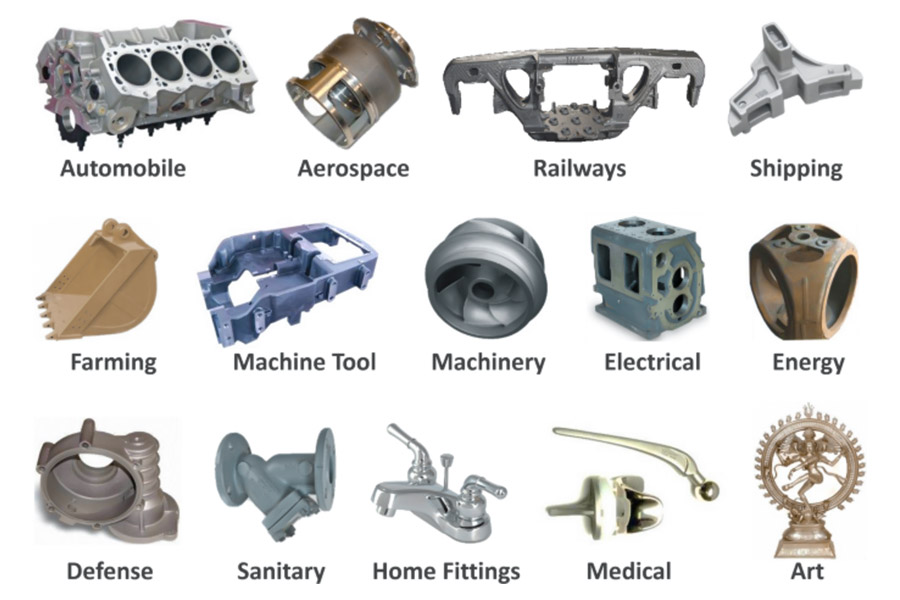
Quality Control Processes
Quality assurance procedures play a crucial duty in the optimization of aluminum spreadings, making certain that each component satisfies rigorous performance and durability requirements. These procedures typically include extensive assessment procedures, including dimensional checks, metallurgical analysis, and non-destructive testing methods. By using sophisticated technologies such as ultrasonic screening and X-ray inspection, producers can recognize prospective issues early in the production cycle. In addition, adherence to market requirements, such as ISO accreditations, reinforces reliability and integrity in the end products. Continual monitoring and responses loopholes aid refine production methods, even more improving high quality. Inevitably, effective quality control not only decreases waste and rework yet likewise maximizes consumer contentment by providing aluminum spreadings that do regularly under requiring conditions.Ending Up and Coating Options
Finishing and coating alternatives are essential for improving the performance and longevity of light weight aluminum spreadings. Different strategies, such as anodizing, powder finishing, and painting, can greatly enhance corrosion click to investigate resistance and visual appeal. Anodizing increases surface area hardness and boosts resistance to wear, while powder layer offers a durable and vibrant coating that endures harsh atmospheres. Additionally, painting supplies versatility in layout but may require more constant maintenance. The choice of ending up technique depends on the desired application, environmental direct exposure, and preferred look. Appropriate surface area preparation and application methods are essential to attaining optimal outcomes. By selecting ideal completing and coating choices, manufacturers can assure that aluminum castings not only satisfy functional needs yet also preserve their aesthetic stability over time.Applications of Aluminum Castings Across Industries
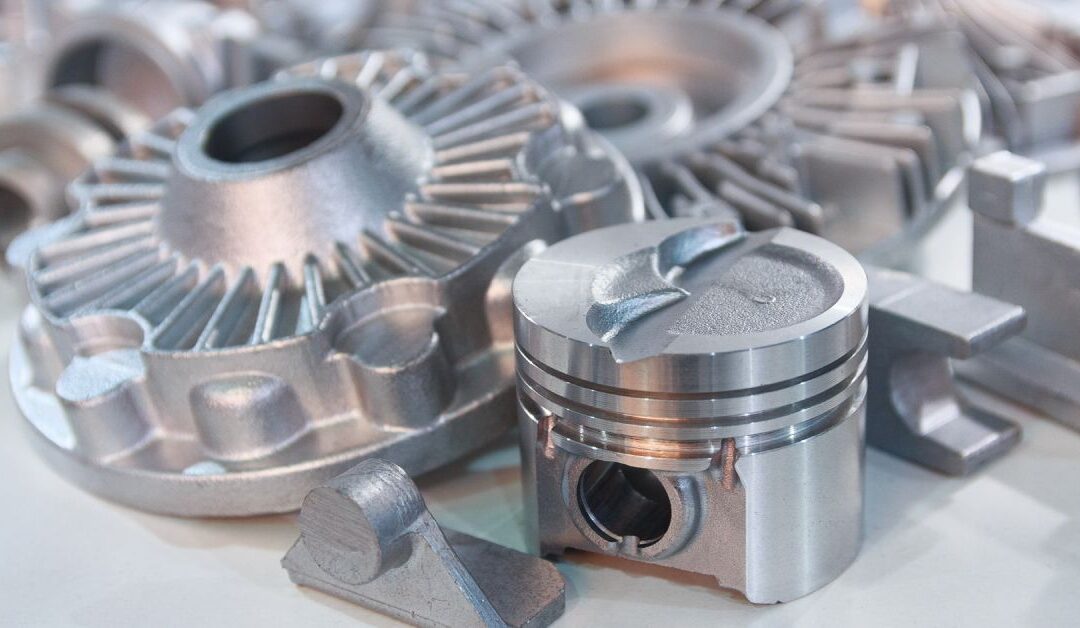
Light weight aluminum spreadings play an essential duty in numerous sectors, showcasing see this page their versatility and adaptability throughout multiple applications. In the vehicle field, light weight aluminum castings are used for engine elements, transmission housings, and wheels, adding to lightweight frameworks that boost gas performance. The aerospace industry benefits from aluminum spreadings in important components, such as airplane frames and engine elements, where strength-to-weight proportions are critical.The electric and electronic devices industries leverage light weight aluminum castings for housings and heat sinks, making certain effective thermal monitoring. In the building industry, light weight aluminum spreadings are utilized in architectural components and architectural components, providing both visual appeal and sturdiness. Additionally, customer goods commonly feature aluminum castings in items like kitchenware and appliances, highlighting their usefulness and simplicity of production. In general, the varied applications of aluminum spreadings highlight their value in driving advancement and efficiency across countless fields.
Future Fads in Aluminum Casting Solutions
As sectors progressively focus on sustainability and efficiency, future patterns in light weight aluminum casting options are anticipated to concentrate on sophisticated manufacturing techniques and cutting-edge materials. Aluminum Foundry. One significant fad is the adoption of additive production, which enables intricate geometries and decreased waste, boosting the general performance of production. In addition, the assimilation of clever technologies, such as IoT and AI, is anticipated to enhance the spreading process, allowing real-time monitoring and predictive upkeepSustainable techniques will likewise obtain prestige, with an emphasis on reusing aluminum and utilizing eco-friendly additives. In addition, the growth of light-weight alloys will certainly help with the development of more powerful, much more durable parts that fulfill the demands of various markets, consisting of automobile and aerospace. As research study and advancement remain to progress, these fads will likely redefine light weight aluminum spreading, placing it as a principal in the shift towards a much more lasting manufacturing landscape.
Frequently Asked Inquiries
How Do Light Weight Aluminum Castings Compare to Various Other Materials in Expense?
Aluminum castings normally provide an affordable expense contrasted to materials like steel and titanium, especially in light-weight applications. Their affordability, integrated with beneficial properties, makes them a prominent selection in numerous industries for affordable options.
What Prevail Defects in Aluminum Castings and Exactly How to avoid Them?
Usual defects in aluminum castings include shrinking, porosity, and surface area blemishes. Protecting against these concerns includes cautious control of putting temperature levels, appropriate mold design, and extensive quality inspections throughout the casting process to guarantee optimal results.Can Aluminum Castings Be Recycled, and Exactly How Does It Effect the Atmosphere?
Light weight aluminum castings can be recycled efficiently, significantly blog minimizing ecological effect. Recycling saves energy, decreases greenhouse gas emissions, and lessens garbage dump waste, contributing to a more lasting cycle of product use within industries and advertising eco-friendly techniques.What Is the Normal Lead Time for Aluminum Spreading Projects?
The common preparation for light weight aluminum casting tasks ranges from two to 6 weeks, depending on variables such as complexity, quantity, and tooling needs. Efficient preparation can substantially reduce this timeframe while making certain high quality end results.Just How Can I Pick the Right Aluminum Alloy for My Details Application?
Selecting the best aluminum alloy entails examining mechanical properties, rust resistance, and thermal conductivity. Consulting material specs and recognizing application demands, along with expert support, can greatly help in making an educated decision.Furthermore, the introduction of sophisticated alloys and heat treatment procedures has improved the mechanical residential or commercial properties of light weight aluminum castings, making them ideal for demanding applications in automobile and aerospace fields. Effective style optimization strategies are essential for improving the efficiency and performance of light weight aluminum spreadings. Ending up and covering choices are crucial for boosting the efficiency and longevity of aluminum castings. Aluminum castings play a necessary duty in various industries, showcasing their flexibility and versatility across several applications. In the vehicle field, aluminum castings are utilized for engine parts, transmission real estates, and wheels, contributing to lightweight structures that enhance gas efficiency.
Report this wiki page